October 10th, 2026
ABUJA, 10 October 2026 – On World Mental Health Day, LifeLine International and its Global Honorary Patron, Her Excellency Mrs Toyin Ojora Saraki, welcome the outcomes of a High-Level Roundtable on Suicide Decriminalisation and Crisis Support in Nigeria, jointly convened with the Royal Norwegian Embassy and the Australian High Commission in Abuja on 7 October 2026.
Hosted at the residence of His Excellency Mr Svein Bæra, Ambassador of the Kingdom of Norway, and opened by His Excellency Mr David Port, Acting High Commissioner of Australia, the closed roundtable brought together representatives of diplomatic missions, the United Nations, former and serving legislators, the Association of Psychiatrists in Nigeria, legal and justice-sector organisations, and LifeLine International’s Nigerian Members, the Asido Foundation and the Suicide Research and Prevention Initiative.
The convening follows the decision of the Federal Executive Council, under the leadership of His Excellency President Bola Ahmed Tinubu, GCFR, on 19 August 2026 to approve a proposed amendment to the National Mental Health Act to decriminalise attempted suicide, which is to be transmitted to the National Assembly as an executive bill. Participants commended the Coordinating Minister of Health and Social Welfare, Professor Muhammad Ali Pate, the Honourable Attorney-General of the Federation and Minister of Justice, and the National Task Force on the Decriminalisation of Attempted Suicide, established on World Mental Health Day two years ago.
Professor Taiwo Lateef Sheikh, LifeLine International Africa Lead, presented global evidence from countries that have reformed their laws, including Ghana and Malaysia, both of which decriminalised attempted suicide in 2023. That experience shows that when the law stops punishing people at their most vulnerable, help-seeking increases, stigma reduces and lives are saved.
Discussions focused on implementation readiness as the amendment proceeds to the National Assembly, including guidance for police and prosecutors during the transition, the recording of suicide attempts as health events to strengthen national data, and the expansion of toll-free crisis helpline access across the Federation.
In Nigeria, attempted suicide remains punishable under Section 327 of the Criminal Code and Section 231 of the Penal Code. The Federal Government estimates that more than 7,000 Nigerians die by suicide each year, with around 300,000 attempts.
Her Excellency Mrs Toyin Ojora Saraki, Global Honorary Patron of LifeLine International, said:
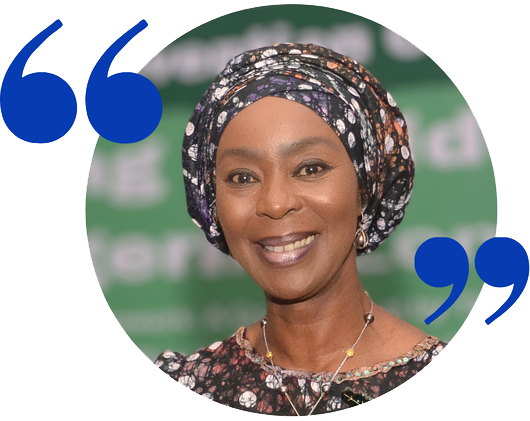
“Reform of the law opens the door, and what lies beyond that door must be ready to receive people. That means a crisis line that answers at any hour and in the languages Nigerians speak, health workers trained to recognise distress, and police and prosecutors who understand that attempted suicide is a health matter. I am deeply grateful to Australia and Norway for standing alongside Nigeria, and to every advocate, clinician and survivor whose voice has brought us to this moment. This year’s World Mental Health Day theme reminds us that lived experiences must be heard, and Nigeria now has the opportunity to show the continent and the world that a nation can meet distress with dignity.”
His Excellency Mr David Port, Acting High Commissioner of Australia, said:
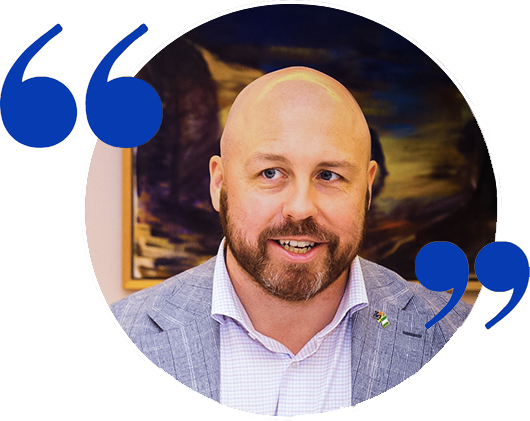
” The proposed decriminalisation of attempted suicide reflects an important principle: when someone is in profound distress, they should be met with care and support, not punishment. Australia welcomes Nigeria’s efforts to advance this reform and recognises the leadership shown by government, legislators, mental health professionals and civil society advocates. Decriminalisation is a vital step, but it must be accompanied by accessible services, community support and crisis intervention so that people feel able to seek help when they need it most.”
His Excellency Mr Svein Bæra, Ambassador of the Kingdom of Norway, said:
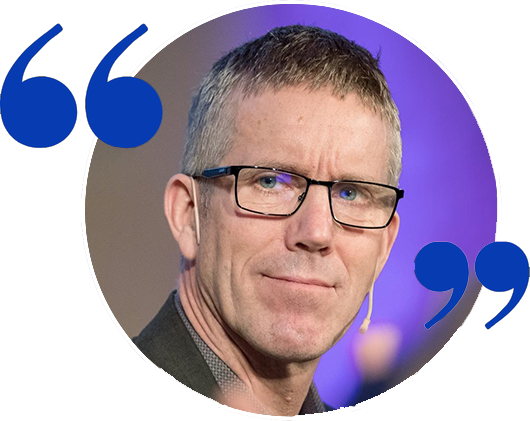
“Norway strongly supports efforts that place human dignity, public health and evidence-based policy at the centre of decision-making. Mental health is an integral part of health coverage and an essential component of human wellbeing. Norway is encouraged by the shared commitment towards reform. Decriminalisation should be accompanied by accessible crisis support, effective referral systems, and efforts to reduce stigma. We believe that each of us has a role to play in helping turn legislative reform into meaningful change for the people and communities of Nigeria.”
Thilini Perera, Chief Executive Officer of LifeLine International, said:
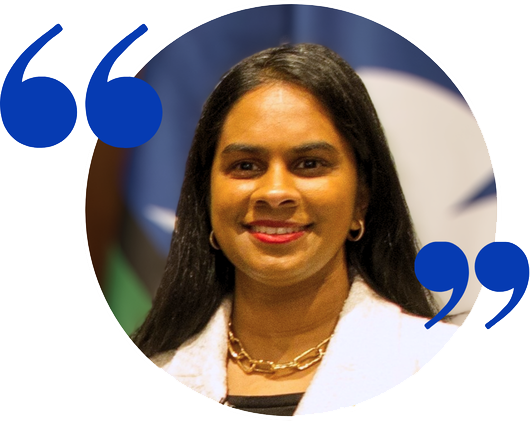
“Nigeria is a key partner in our global commitment to strengthening compassionate responses to suicide, and this roundtable reflects the collective effort supporting ongoing reform. We appreciate the collaboration of the Australian High Commission, the Royal Norwegian Embassy, and our Global Honorary Patron, Her Excellency Toyin Saraki, in convening this discussion. We commend our LifeLine International Members in Nigeria, whose leadership continues to advance this work. Lifeline International remains committed to standing alongside Nigerian stakeholders as they pursue approaches that promote dignity, safety, and crisis support for all communities.”
If you or someone you know is struggling, please reach out. In Nigeria, confidential support is available through the Suicide Research and Prevention Initiative (SURPIN) (call 0800 800 2000), the Asido Foundation (Call +2349028080416) and the Mentally Aware Nigeria Initiative (MANI) on 0809 111 6264.
Media Contact
H.E. Toyin Saraki Global Policy & Philanthropy Office
Zelia Bukhari
zelia.bukhari@wbfafrica.org
October 7th, 2025
As we mark Breast Cancer Awareness Month under the World Health Organization’s theme Every Story is Unique, Every Journey Matters, I am honoured to spotlight the newly released Devex feature, “New Index Aims to Help Countries Close Breast Cancer Care Gaps,” following my conversation with Senior Editor Rumbi Chakamba during the 80th United Nations General Assembly High-Level Week.
The feature introduces the Breast Cancer Care Quality Index, a data-driven framework that enables governments to turn commitment into measurable reform. Convened by AstraZeneca with clinicians, policymakers, and advocates, the Index provides a unified set of indicators spanning early detection, timely diagnosis, comprehensive management, and resilient system performance. It offers a shared language for accountability, aligning policy, financing, and delivery to expose inequities and guide investment.
True equity in women’s cancer care requires coherence between evidence, leadership, and implementation. The BCCQI represents that alignment, where political will meets operational capacity, and progress is demonstrated through measurable standards of care.
Through the Wellbeing Foundation Africa, we are advancing this approach in Nigeria by embedding breast health education, patient navigation, and system strengthening into maternal and community health programmes, aligned with the WHO Global Breast Cancer Initiative and the Breast Cancer Care Quality Index. Our mission remains clear, that every woman’s journey leads to timely care, effective treatment, and survival.
_______________________________________________
By Rumbi Chakamba // 07 October 2025 // Originally published on Devex.com
A new tool may give governments a practical way to move from lofty global targets to on-the-ground action in the fight against breast cancer.
Breast cancer has become the most common cancer worldwide, with around 2.3 million new cases and more than 666,000 deaths recorded in 2022, yet only a few countries are on track to meet the World Health Organization’s Global Breast Cancer Initiative goal of reducing mortality by 2.5% annually.
“Across every region, women face systemic inequities that delay their diagnosis, limit their access to innovation, and compromise the quality of our care. These disparities are not incidental. They’re structural, and they reverberate through our families, our communities, and our economies,” Toyin Saraki, founder and president of The Wellbeing Foundation Africa, said at the Concordia summit held on the sidelines of the 80th United Nations General Assembly.
In response to these inequities, a new initiative — The Breast Cancer Care Quality Index or BCCQI — aims to help countries translate global goals into national action plans. The tool allows governments to assess their policies, pinpoint weak spots, and map out tailored road maps for improvement. It is designed to support efforts to meet WHO’s mortality-reduction targets.
A radiographer prepares a patient to undergo a mammogram to look for early signs of breast cancer at a hospital in Nairobi, Kenya. Photo by: Njeri Mwangi / Reuters
“When you have something that’s the biggest killer, you have to use that to bring not just awareness, [but] action and investment to the problem,” Saraki told Devex.
Developed by an international team of clinicians, policymakers, and advocates, with AstraZeneca serving as a convener, the BCCQI draws on evidence reviews and extensive expert consultations to define four key dimensions — early detection, timely diagnosis, comprehensive management, and resilient health systems. These are further broken down into 10 targets and 23 measurable indicators.
Saraki — who is also a member of the AstraZeneca Breast Cancer Care Council — said she was drawn to the index because it provides an opportunity to turn expert data into practical information that governments, policymakers, health practitioners, and even women themselves can easily understand and use. The goal is to help medical professionals and clinics establish clear patient-navigation pathways, ensure access to the latest treatments, and measure progress along the way.
Saraki hopes early adopters will use the index to benchmark national data, identify gaps such as late-stage diagnoses or weak referral systems, and develop plans to strengthen cancer programs. The index developers are also working toward a multilateral U.N. resolution that will bring visibility to the index.
But challenges remain. Many low- and middle-income countries still lack robust cancer registries and trained staff to collect and analyze data — critical prerequisites for using the index effectively. Sustained political will and dedicated funding will also be essential to translate the framework into improved survival rates
“When you have the political will, everything else will work. You will have the resources in place, you will have the commitment in the different levels of the bureaucracy and the different programs, but political will is key,” said former Costa Rican President Laura Chinchilla at the Concordia event.
“Without leadership and sustained commitment, even the best of frameworks cannot deliver the change that women deserve,” Saraki added.
____________________________________________________
About the author
Rumbi Chakamba is a Senior Editor at Devex based in Botswana, who has worked with regional and international publications including News Deeply, The Zambezian, Outriders Network, and Global Sisters Report. She holds a bachelor’s degree in international relations from the University of South Africa.
July 29th, 2025
Each year, Pan-African Women’s Day (PAWD) reminds us of the enduring legacy, resilience, and leadership of African women. However, as we celebrate, we must also confront a lingering truth: far too many pregnant and breastfeeding women in Africa are still left behind in HIV prevention efforts. Pregnant and breastfeeding women are not merely recipients of care, they are architects of community wellbeing, leaders within households and societies, and central to the intergenerational health equity we must pursue.
The theme for PAWD 2025, “Advancing Social and Economic Justice for African Women through Reparations”, reminds us of the critical need to address systemic social and economic inequalities hindering women’s empowerment and advancement. PAWD 2025 coincides with the World Breastfeeding Week 2025, themed “Prioritize Breastfeeding: Create Sustainable Support Systems.” Therefore, we are also called to translate that legacy into concrete action for the next generation, starting from pregnancy and the earliest days of life. This year, we call for an intentional shift to integrate HIV prevention, including PrEP (Pre-Exposure Prophylaxis), Prevention of Mother-to-Child Transmission (PMTCT), and Early Infant Diagnosis (EID) into the broader maternal and child health ecosystem. Doing so is not only scientifically sound; it is a moral and human rights imperative, and a step toward redressing historic injustices through maternal health equity.
A Gendered Lens on HIV Prevention
The African Union Commission (AUC) has long championed the rights of African women and girls. AU frameworks, including the Protocol to the African Charter on Human and Peoples’ Rights on the Rights of Women in Africa (Maputo Protocol), the AU Strategy for Gender Equality and Women’s Empowerment, and the Catalytic Framework to End AIDS, TB, and Malaria by 2030, guarantees equitable and affordable access to HIV prevention and treatment services. Nonetheless, gender inequality continues to drive HIV vulnerability, especially among adolescent girls, young women, and mothers. On a continent where women bear the brunt of both unpaid care work and HIV infections, we must place pregnant and breastfeeding women at the heart of HIV prevention strategies.
Pan-African Women’s Day is more than a celebration; it is a policy moment. We should use this occasion to strengthen the link between reproductive health, HIV prevention, and gender equity. In our communities, we have witnessed firsthand ways midwives and frontline workers can transform maternal care when equipped with the tools, training, and trust to do so. We need to reimagine HIV prevention not as a siloed programme, but as a foundational component of respectful, comprehensive, gender-responsive maternal health.
Breastfeeding as a Health Justice Issue
The 2025 World Breastfeeding Week theme urges us to prioritise breastfeeding through sustainable systems- systems that must also prioritise the health and HIV status of the mother and child. Offering long-acting PrEP like CAB-LA, ensuring routine HIV testing during antenatal care, and integrating EID into immunisation schedules are essential to building that system. This is how we ensure that breastfeeding is not only a biological bond, but also a protective, empowering act, free of fear, stigma, or silence. Sustainable breastfeeding support must include comprehensive maternal diagnostics and wraparound care. Let us also ensure that every woman is met with dignity, discretion, and informed choice whether through access to long-acting PrEP, timely testing, or compassionate postpartum support.
A United African Response
We must elevate community engagement, involve Traditional and Religious leaders, and support healthcare workers who are often themselves women and the first and sometimes only line of care for pregnant and breastfeeding women. Pan-African leadership on all levels, from governments to grassroots, must ensure that every mother has access to life-saving HIV prevention tools. Transforming outcomes for mothers and babies requires systems change, built on multisectoral partnerships. From ministries to midwives, from labs to legislatures, we must align our investments with our aspirations, for a future where no woman is left behind.
The AUC Women, Gender, and Youth Directorate and Africa REACH Leadership Council stand together to say: African women should live, lead, and breastfeed without the shadow of HIV. As we celebrate Pan-African Women’s Day and Breastfeeding Week, let us continue to advocate for and implement policies that lead to health emancipation. May we renew our collective resolve to ensure that African women can live, lead, and nourish the next generation, in health, in dignity, and in freedom from HIV.
Happy Pan-African Women’s Day!
October 10th, 2026
ABUJA, 10 October 2026 – On World Mental Health Day, LifeLine International and its Global Honorary Patron, Her Excellency Mrs Toyin Ojora Saraki, welcome the outcomes of a High-Level Roundtable on Suicide Decriminalisation and Crisis Support in Nigeria, jointly convened with the Royal Norwegian Embassy and the Australian High Commission in Abuja on 7 October 2026.
Hosted at the residence of His Excellency Mr Svein Bæra, Ambassador of the Kingdom of Norway, and opened by His Excellency Mr David Port, Acting High Commissioner of Australia, the closed roundtable brought together representatives of diplomatic missions, the United Nations, former and serving legislators, the Association of Psychiatrists in Nigeria, legal and justice-sector organisations, and LifeLine International’s Nigerian Members, the Asido Foundation and the Suicide Research and Prevention Initiative.
The convening follows the decision of the Federal Executive Council, under the leadership of His Excellency President Bola Ahmed Tinubu, GCFR, on 19 August 2026 to approve a proposed amendment to the National Mental Health Act to decriminalise attempted suicide, which is to be transmitted to the National Assembly as an executive bill. Participants commended the Coordinating Minister of Health and Social Welfare, Professor Muhammad Ali Pate, the Honourable Attorney-General of the Federation and Minister of Justice, and the National Task Force on the Decriminalisation of Attempted Suicide, established on World Mental Health Day two years ago.
Professor Taiwo Lateef Sheikh, LifeLine International Africa Lead, presented global evidence from countries that have reformed their laws, including Ghana and Malaysia, both of which decriminalised attempted suicide in 2023. That experience shows that when the law stops punishing people at their most vulnerable, help-seeking increases, stigma reduces and lives are saved.
Discussions focused on implementation readiness as the amendment proceeds to the National Assembly, including guidance for police and prosecutors during the transition, the recording of suicide attempts as health events to strengthen national data, and the expansion of toll-free crisis helpline access across the Federation.
In Nigeria, attempted suicide remains punishable under Section 327 of the Criminal Code and Section 231 of the Penal Code. The Federal Government estimates that more than 7,000 Nigerians die by suicide each year, with around 300,000 attempts.
Her Excellency Mrs Toyin Ojora Saraki, Global Honorary Patron of LifeLine International, said:
“Reform of the law opens the door, and what lies beyond that door must be ready to receive people. That means a crisis line that answers at any hour and in the languages Nigerians speak, health workers trained to recognise distress, and police and prosecutors who understand that attempted suicide is a health matter. I am deeply grateful to Australia and Norway for standing alongside Nigeria, and to every advocate, clinician and survivor whose voice has brought us to this moment. This year’s World Mental Health Day theme reminds us that lived experiences must be heard, and Nigeria now has the opportunity to show the continent and the world that a nation can meet distress with dignity.”
His Excellency Mr David Port, Acting High Commissioner of Australia, said:
” The proposed decriminalisation of attempted suicide reflects an important principle: when someone is in profound distress, they should be met with care and support, not punishment. Australia welcomes Nigeria’s efforts to advance this reform and recognises the leadership shown by government, legislators, mental health professionals and civil society advocates. Decriminalisation is a vital step, but it must be accompanied by accessible services, community support and crisis intervention so that people feel able to seek help when they need it most.”
His Excellency Mr Svein Bæra, Ambassador of the Kingdom of Norway, said:
“Norway strongly supports efforts that place human dignity, public health and evidence-based policy at the centre of decision-making. Mental health is an integral part of health coverage and an essential component of human wellbeing. Norway is encouraged by the shared commitment towards reform. Decriminalisation should be accompanied by accessible crisis support, effective referral systems, and efforts to reduce stigma. We believe that each of us has a role to play in helping turn legislative reform into meaningful change for the people and communities of Nigeria.”
Thilini Perera, Chief Executive Officer of LifeLine International, said:
“Nigeria is a key partner in our global commitment to strengthening compassionate responses to suicide, and this roundtable reflects the collective effort supporting ongoing reform. We appreciate the collaboration of the Australian High Commission, the Royal Norwegian Embassy, and our Global Honorary Patron, Her Excellency Toyin Saraki, in convening this discussion. We commend our LifeLine International Members in Nigeria, whose leadership continues to advance this work. Lifeline International remains committed to standing alongside Nigerian stakeholders as they pursue approaches that promote dignity, safety, and crisis support for all communities.”
If you or someone you know is struggling, please reach out. In Nigeria, confidential support is available through the Suicide Research and Prevention Initiative (SURPIN) (call 0800 800 2000), the Asido Foundation (Call +2349028080416) and the Mentally Aware Nigeria Initiative (MANI) on 0809 111 6264.
Media Contact
H.E. Toyin Saraki Global Policy & Philanthropy Office
Zelia Bukhari
zelia.bukhari@wbfafrica.org
June 22nd, 2026
NCR (Nigeria) Plc has announced the appointment of Her Excellency, Mrs Toyin Ojora Saraki, as a Non-Executive Director on its Board of Directors, effective June 11, 2026. The Board approved the appointment by written resolution dated June 11, 2026, and the appointment remains subject to ratification by shareholders at the Company’s next Annual General Meeting (AGM).
Mrs Saraki brings extensive leadership, governance, and public policy experience to the Board. Her appointment is expected to strengthen the Company’s corporate governance framework and support its strategic objectives as it continues to navigate a dynamic business environment.
Her Excellency, Mrs Toyin Ojora Saraki, is the Founder-President of The Wellbeing Foundation Africa (WBFA), a global advocate for women’s and children’s health and empowerment, with over two decades of leadership and advocacy spanning reproductive, maternal, newborn, child and adolescent health; the elimination of gender-based discrimination and violence; and the advancement of education, socio-economic empowerment, and community livelihoods across sub-Saharan Africa.
Mrs Saraki is the Inaugural and Emeritus Global Goodwill Ambassador for the International Confederation of Midwives. She serves as Special Advisor and member of the Independent Advisory Group of the World Health Organisation Regional Office for Africa. She is the UNFPA Nigeria Family Planning Champion, the Save the Children Newborn Health Champion for Nigeria, and a Global Champion for the White Ribbon Alliance for Safe Motherhood. She was named a Universal Health Coverage Global Champion by Devex. She is a member of the International Steering Committee of ICPD25 and was appointed the Inaugural Global Health Ambassador of the WHO Foundation in 2022.
At the global governance level, Mrs Saraki serves on the Board of Trustees of Seed Global Health, and she’s a member of the Bayer Sustainability Council and the AstraZeneca Global Breast Cancer Care Council. In 2024, she was appointed a Champion of the World Economic Forum Global Alliance for Women’s Health and serves as a member of the World Economic Forum Global Activators Network on Women’s Health. She is an Inaugural Leadership Council Member of Africa REACH, a Leadership Council Member of Concordia, a Judge for MIT Solve as Challenge Leader for Maternal and Newborn Health, and an Inaugural Member of the African Women Leaders Network and African Women Leaders Network Nigeria. She is the Honorary Global Patron of LifeLine International and serves on the Advisory Board of Every Pregnancy.
Mrs Saraki brings to the Board a strong combination of legal expertise, international governance experience, and strategic leadership across the private, public, and multilateral sectors.
The Board and Management of the Company expressed confidence in Mrs Saraki and wish her all the best as she takes on her new appointment.
June 18th, 2026
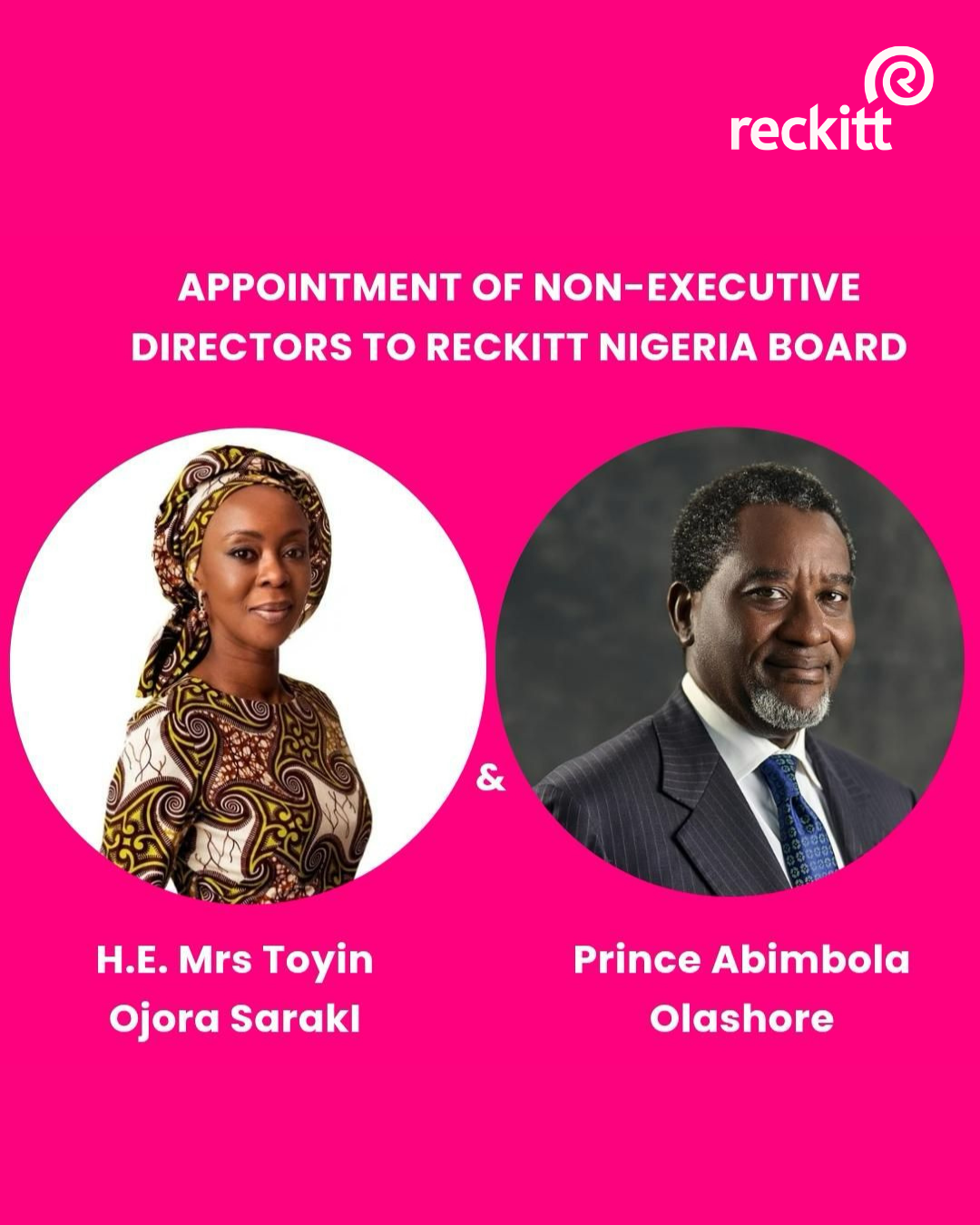
Reckitt Nigeria (Reckitt Benckiser Nigeria Limited) has announced the appointment of H.E. Mrs Toyin Ojora Saraki and Prince Abimbola Olashore as Independent Non-Executive Directors, further strengthening the company’s Board as it continues to advance its strategic priorities across Nigeria.
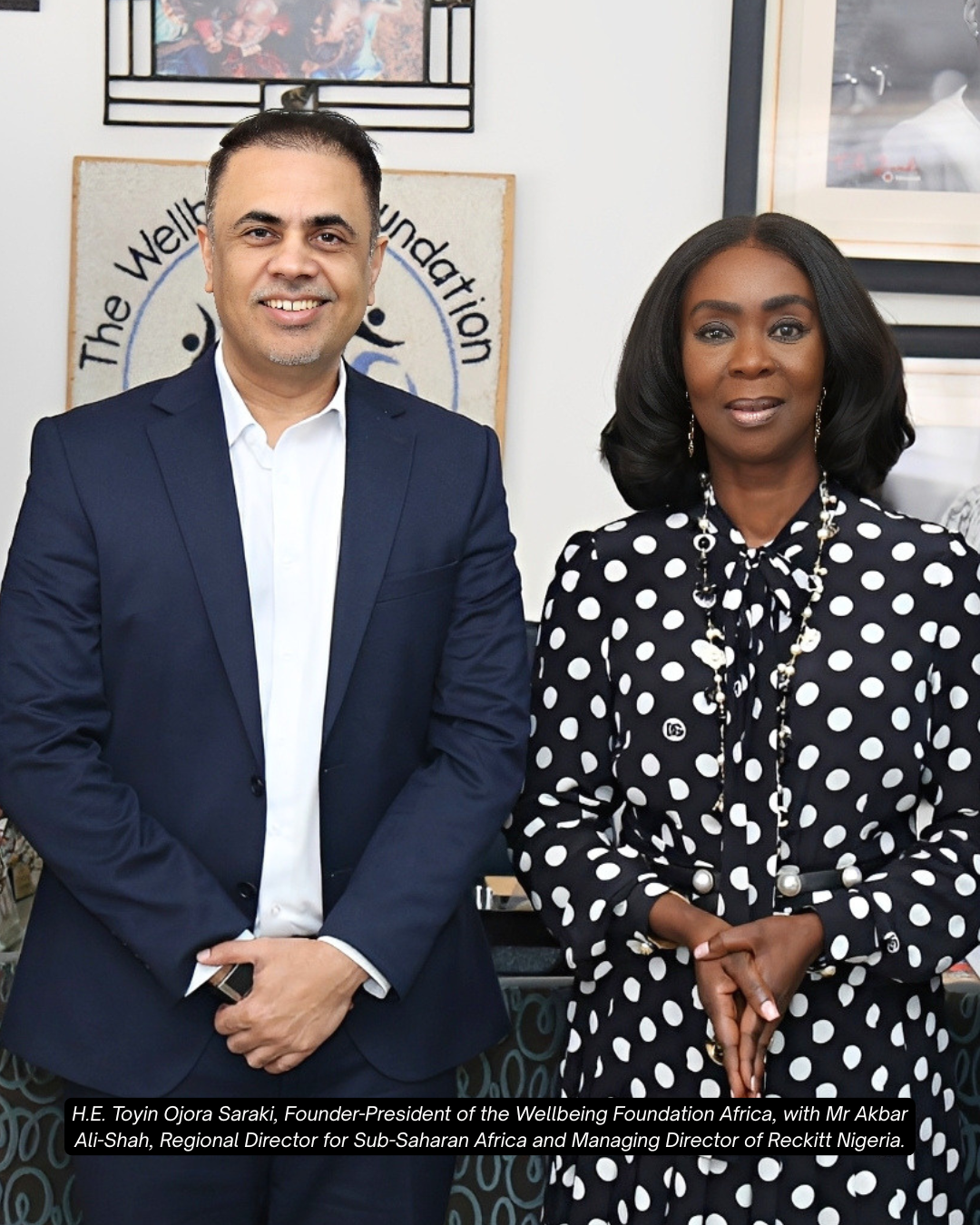
The appointments follow the passing of the company’s Board Chairman, the late Chief Michael Olumuyiwa Falomo, whose leadership and stewardship contributed significantly to the growth and governance of Reckitt Nigeria over several decades. The company acknowledges his enduring legacy and service to the organisation.
Mrs Toyin Ojora Saraki is the Founder-President of The Wellbeing Foundation Africa and a globally recognised advocate for women’s and children’s health, with over two decades of leadership spanning maternal, newborn, and child health, gender equity, and community wellbeing. She serves as Inaugural Global Health Ambassador for the WHO Foundation and holds advisory and leadership roles across global institutions including the World Health Organization, World Economic Forum, AstraZeneca Global Breast Cancer Care Council, and Bayer Sustainability Council. Her extensive experience in public health, sustainability, and development brings valuable insight to the Board as Reckitt continues its mission to protect, heal, and nurture communities.
Prince Abimbola Olashore is a Chartered Accountant and an accomplished financial services leader with over three decades of experience spanning banking, investment management, and corporate advisory. He is currently the Founder and Chief Executive Officer at Lead Capital Plc, and has held numerous senior leadership positions, including Executive Director at Ecobank Transnational Group and Chief Executive Officer of Lead Advisory Group, where he successfully drove strategic growth and organisational transformation.
He currently serves as President and Chairman of Council of the Nigerian British Chamber of Commerce, Deputy President of the Lagos Chamber of Commerce and Industry, and Council Member as well as Chairman of the Environment, Social and Governance Committee of the Chartered Institute of Directors. Prince Abimbola Olashore brings deep expertise in financial strategy, corporate governance, and institutional leadership, making him exceptionally well-positioned to support the company’s strategic direction and long-term growth objectives.
“We are pleased to welcome Her Excellency, Mrs Toyin Ojora Saraki and Prince Abimbola Olashore to the Board of Reckitt Nigeria. Their diverse experience and perspectives will further strengthen the Board and support the company’s continued focus on sustainable growth, innovation and positive impact across Nigeria.”
— Akbar Ali-Shah, Managing Director, Reckitt West Africa
The appointments further reinforce Reckitt Nigeria’s governance framework while bringing additional expertise to support the company’s long-term strategic ambitions.
Cassandra Uzo-Ogbugh
+234 908 783 2407
Head External Communications & Partnership
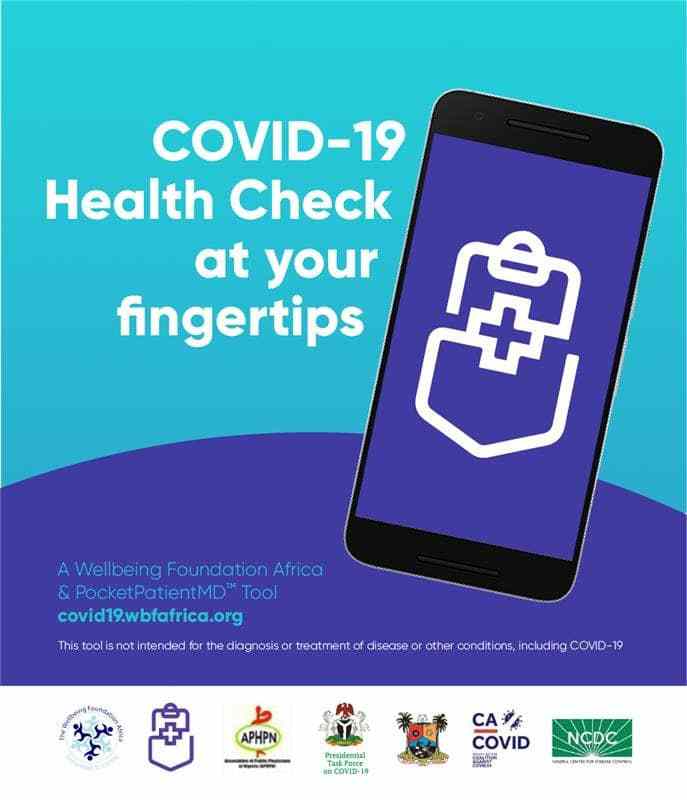
The e-health check tool is available for free at https://covid19.wbfafrica.org/ and users can access real-time updates on how to stay connected, safe, and healthy during the pandemic on Instagram and Twitter @Wellbeing_PPMD, and @WellbeingPPMD on Facebook.