
Huffpost posts

HuffPost

FROM November 22nd, 2017

Why the death of a woman after giving birth to quadruplets should change healthcare in Nigeria forever

Last month the medical professionals at Malumfashi General Hospital, Katsina State, helped Gaje Zubairu bring the blessing of quadruplets into the world. The initial widespread jubilation at such wonderful news soon, however, gave way to sorrow. One of the babies passed away and was tragically followed four days later by Gaje herself.

This case has attracted such widespread attention not only because of its inherent tragedy but also because of the fundamental issues which led to the loss of the mother and baby. Doctors who attended to Gaje stated that she did not survive because she was malnourished and had not attended antenatal care (ANC). Gaje’s husband reportedly explained that his wives have never attended ANC because the classes are given too far away. This is a story that is all too familiar in Nigeria, where limited access to – and knowledge of – ANC, limited health spending and a widespread failure to deal with postpartum hemorrhage (PPH) makes pregnancy a fatal journey for so many women and their babies. Nigeria now has the second highest rate of maternal mortality in the world. As we address these specific issues we must also look at how best the provision of maternal healthcare and healthcare delivery in general can be transformed in Nigeria.

My organization is committed to improving the health services for expectant and new mothers and it has been a life- long mission of mine to ensure that all mothers give birth in a safe environment. That is why, as Founder-President of the Wellbeing Foundation Africa (WBFA), I launched the Mamacare clinics over two years ago. Mamacare classes are led by qualified midwives, with partners and family members welcome to attend. Practical information, advice and support is given to pregnant women to ensure that they are prepared to give birth safely and care for their newborn child. Our midwives are trained to a global standard and expectant mothers are encouraged to discuss any issues relating to their pregnancy. No subject is off-limits in the pursuit of healthy babies and healthy mothers.

A woman’s chance of dying from pregnancy and childbirth in Nigeria over her lifetime is 1 in 23. A staggering figure. Yet over 200,000 women have taken part in our Mamacare classes, and we have not lost a single mother to death in childbirth. It is my hope that one day Mamacare classes will be available for all mothers in Nigeria, so that all expectant mothers – mothers like Gaje – have the chance to access the education and care that they should be entitled to.

This case also highlighted the issue of postpartum hemorrhage (PPH)- a complication resulting from childbirth which can have dire consequences. The Chief Medical Director of Malumfashi General Hospital, Dr. Abdulhamid Abdullahi, highlighted that in addition to not having attended ANC, Gaje’s multiple pregnancies put her at risk of PPH. The impact of PPH is devastating: every year about 100,000 women around the world die of blood loss soon after a baby is born, making it the biggest cause of maternal death worldwide.

In April of this year, an extensive trial conducted by the London School of Tropical Medicine and Hygiene revealed that tranexamic acid, when administered to women experiencing PPH, can reduce maternal deaths by 30%. This drug, which costs just $3 per injection, should be a health focus for those of us passionate about reducing maternal mortality – particularly in Sub-Saharan Africa, which accounts for a shocking 99% of deaths which occur due to PPH. The distribution of this drug in Africa would have a significant impact on the lives of many mothers and we must consider how we can increase the accessibility of such interventions both in Nigeria and across Africa.

Whilst both education about the importance of ANC and increasing access to life-saving drugs is crucial, we must also reflect on the realities of healthcare in Nigeria. With an estimated population of 191 million, less than 5% of the Nigerian population is covered by the National Health Insurance Scheme (NHIS). Some progress has been made – the National Assembly of Nigeria has wisely vowed to carry out a pro-health legislative agenda and, in July, Nigeria’s Senate President launched the Legislative Network for Universal Health Coverage to address “the issue of financing in healthcare in a sustainable manner to reach all Nigerians.” I trust that this network will pave the way for Universal Health Coverage and a health system which will provide the life-saving medicine and care which is taken for granted elsewhere in the world.

Women, children and communities in Nigeria deserve the best global standards in care. That will require a change in public policy, in attitudes and through better education, and improved accessibility of quality ANC. It will also necessitate the best in modern medicine being made universally available, so that our mothers are not left to bleed to death. In the meantime, let us pray that Gaje Zubairu and her child rest in peace – and may we all dedicate ourselves to ensuring that their legacy is healthy mothers and children in Nigeria and across the world.

FROM November 10th, 2017

Pneumonia – Africa’s silent killer

Originally Posted on

The last century has been witness to vast medical advancements that have saved the lives of hundreds of millions of people around the world. Yet recent figures show that in 2015 alone, nearly a million children died of pneumonia. It is both astounding and saddening that despite the availability of simple provisions that can both prevent and cure the disease, marginalised children are being denied access to the right drugs to save their lives.

Today is World Pneumonia Day, presenting a great opportunity to raise awareness of this hidden killer and to issue a call to action to urge policymakers and international institutions alike to dedicate greater commitment to the cause. Straightforward interventions, such as increasing access to primary healthcare facilities can make a massive difference in the fight against pneumonia.

Pneumonia is used to refer to the infection of the lungs that can be caused by bacteria, viruses and rarely fungi. Most forms can be vaccinated against, and we now have various treatments for the different strands of the disease. In the developed world it generally afflicts the elderly. In the Global South, children are its most common victims.

A recent report by Save the Children identified that pneumonia kills 2 children under 5 every minute, accounting for 16% of all deaths of children under 5 globally – more than malaria, diarrhoea and measles combined. This worrying statistic forms part of the broader picture of inadequate healthcare facilities, a problem that is pervasive across the developing world. The issue is particularly prominent in Africa, and it is no coincidence that of the deaths that occur from pneumonia annually, the highest prevalence is among children on the African continent.

Sadly, the urgency surrounding the pneumonia crisis has been somewhat diluted over the years, overshadowed by other global epidemics such as HIV/AIDS, malaria, and TB. As a result, pneumonia has fallen to the wayside of public health policy debate, creating a situation where resources are misallocated, and pneumonia left untreated, posing a death sentence to many suffering from pneumonia in the absence of adequate care.

The developing world urgently needs more, and better allocated resources, to avoid these unnecessary deaths from illnesses as curable and preventable as pneumonia. This will require revolutionising healthcare systems, many of which are stuck in cycles of underfunding and understaffing, at the expense of human life.

One solution is universal primary healthcare. Primary healthcare forms the cornerstone of healthcare systems in low-resource settings; often the only access that people in rural and remote communities have to healthcare, it is absolutely critical that high-quality universal primary healthcare is accessible, and that clinics are stocked with the necessary drugs and equipment to save lives.

Sadly this is not the case in my native Nigeria. The nation’s universal primary healthcare deficit thwarts progress and development across development indices, and in the absence of solid government commitment, threatens to dampen the health and development of the nation in generations to come.

The provision of decent primary healthcare, with an adequate supply of the necessary drugs to treat common yet deadly illnesses such as pneumonia, must be prioritised at local, national and international levels. Solid and effective systems of universal primary healthcare would not just positively impact pneumonia, but would have widespread implications for the spread of other infectious and non-communicable diseases across the continent. Pneumonia is a symptom of the wider healthcare deficit that sees the unnecessary deaths of millions of people each year. Through the implementation of universal primary healthcare, we have the power to ensure that no more children die unnecessarily at the hands of preventable and treatable diseases like pneumonia. We must act now; greater investment in primary healthcare and a national commitment to addressing and eliminating infectious disease in my country is the obvious first step.

FROM October 13th, 2017

Pregnancy and Loss Remembrance Day – may the past be an impetus for a better future

Originally Posted on

Despite vast improvements in maternal and neonatal healthcare globally, the past 25 years have sadly brought limited advancements to my native Nigeria, which continues to suffer some of the worst maternal and neonatal records in the world. In fact, between 1990 and 2003 Nigeria’s infant mortality ratio rose, largely as a result of the high prevalence of births taking place in the absence of a skilled attendant.

There have been some improvements – for example, the maternal mortality ratio declined by more than a third between 1990 and 2015 – but the legacy of Nigeria’s inadequate maternal health services lives on in the minds and hearts of so many of my fellow countrywomen and men who have lost mothers, sons, daughters and sisters at the hands of short-staffed and underfunded maternal health services. Today on Pregnancy and Infant Loss Day I will share my own personal story, as both a reminder of the loss incurred by too many, and an imperative for greater action in the future.

Twenty six years ago I was eagerly awaiting the birth of my first children (I was blessed to be expecting twins) having always wanted to be a mother. Three months prior to the due date I returned from London to Nigeria for my wedding, having received antenatal care in London up until this point. Sadly, what should have been the happiest time of my life quickly became the saddest, as on the day before the ceremony, my life changed forever.

Realising that my amniotic sac was hanging out, I was rushed to the emergency unit. Having planned to give birth in London, my expectations of what the birthing process would entail were high, yet on arrival I was shocked to hear that not only was an epidural unavailable, but that understaffing would mean I had to wait for an anaesthetist before an urgent caesarean section could be carried out. This blatant example of underfunding in healthcare cost me my unborn daughter’s life, and nearly my own.

In the days that followed, the stark absence of modern equipment and skilled professionals became increasingly evident, as processes like breastfeeding became trauma in themselves. One particularly vivid memory is of a nurse handing me a white bucket, and without explanation or warning, began vigorously pumping my breast in to it. The poor sanitation and lack of understanding of modern techniques that I witnessed in that hospital 26 years ago left me scarred, yet stirred something in me. It is this scarring that inspired me to strive for better experiences for mothers in Nigeria, and around the world.

I am blessed to have survived my experience, and to have Tosin – the surviving twin – with me today. Yet not everyone is as fortunate. Across Nigeria and the wider continent maternal and neonatal deaths continue to thwart development, and often slip through systems completely undocumented. Maternal and neonatal deaths cause unimaginable heartache to the families and loved ones of those excluded from the necessary care that all mothers and infants deserve. This is what motivates me to make a difference not just in maternal and childcare but in the healthcare space in general.

The Wellbeing Foundation Africa was set up off the back of my experience and my desire to save mothers and infants from enduring the same trauma that I did. Through the provision of antenatal classes and in training midwives on top notch quality care, the Wellbeing Foundation is making strides in shielding women and infants from the avoidable risks posed by childbirth. Today we remember those that we have lost, and pray for the mothers and infants of the future.

FROM October 11th, 2017

FROM October 3rd, 2017

Universal Health Coverage and the Road to Equality

Originally Posted on

Last month in New York, Dr Tedros Adhanom Ghebreyesus, the first African Director-General of the World Health Organization, addressed 70,000 global citizens in Central Park. His question to the crowd was the same one that had been asked to world leaders all week at the 72nd General Assembly: “Do you believe in universal health coverage?”

Dr Tedros has consistently insisted that UHC not only improves health, but also reduces poverty, creates jobs, drives economic growth, promotes gender equality and protects populations against epidemics.

As Founder-President of the Wellbeing Foundation Africa, I have dedicated the past 13 years to the rights of the voiceless and unmet needs, in effect, health security, equity and justice for all, especially expectant mothers, in Nigeria and around the world. I was therefore delighted to see the issue of attaining UHC come to the fore this year at the General Assembly, thanks to high-level exponents.

There can be no doubting the urgency of the health situation in Africa, which faces the triple burden of weak health systems and both communicable and non-communicable diseases in a population estimated to reach 2.5 billion by 2050. Every year, roughly 100 million people globally are pushed into poverty due to colossal health costs, while only 1 in 5 have social security protection that will cover lost wages in the event of illness.

The situation in Nigeria reflects that of many developing countries. With an estimated population of 191 million, less than 5% of its population is covered by the National Health Insurance Scheme (NHIS), with out-of-pocket expenditure as a percentage of private expenditure on health above 90%.

The nation is a victim of a lethal killer that the Nigerian Government must swiftly act on: its fragile healthcare system. Currently, the system struggles to live up to even the most basic public health responsibilities, such as immunisation coverage and access to family planning.

The impact of inadequate care is huge. According to Nigeria’s Institute for Health Metrics and Evaluation in 2015 alone, malaria killed 192,284 people in Nigeria, diarrheal diseases killed 143,880 people, and neonatal and maternal disorders killed 212,557 women and children during pregnancy and childbirth.

These figures amount to a crisis as dire and urgent as the violent conflict that pervades Nigeria’s northeast. Yet for every 1 Naira spent on health, 2.5 Naira is spent on defence. It is time the Government’s response to healthcare deficits be as swift and aggressive as the response to national security threats.

There is however, reason for optimism as we emerge from the UN General Assembly. According to the WHO’s figures, 85% of the costs of meeting the SDG health targets can be met with domestic resources – an investment which would prevent 97 million premature deaths between now and 2030. Indeed, the National Assembly of Nigeria has wisely vowed to effect a pro-health legislative agenda that engages budgetary appropriations and acts as the driver for development. In July, Nigeria’s Senate President launched the Legislative Network for Universal Health Coverage to address “the issue of financing in healthcare in a sustainable manner to reach all Nigerians.” This network will enhance the knowledge base and understanding of strategies in the legislature, geared towards achieving the goal of Universal Health Coverage.

At the 72nd United Nations General Assembly, I convened with high-level players on the political, development and policy front, where we discussed the implementation of innovative country and regional initiatives on policy and governance, working towards strengthening primary healthcare systems and the development of health security in Nigeria.

My call is now for action and investment – we must act to ensure that every person, rich or poor, living in cities or rural areas, has access to quality healthcare. What’s more, return on investment is high. Any innovator, partner, donor, or expert that seeks to make tangible positive change around the world cannot ignore Nigeria and its burgeoning population, and I would urge them to prioritise Nigeria for that reason.

Dr Tedros was absolutely correct in his assessment last week that universal health coverage is a political choice and a smart imperative. The vision and courage required have already been demonstrated by some, and the result will be a safer and healthier world. Political leaders in Africa and around the world must agree that the path of inaction is one that cannot be taken.

FROM September 1st, 2017

Global Positive Forum – a sustainable pathway to gender equality

Today at the Global Positive Forum, policymakers, civil society, corporations and figures of influence will gather in Paris to promote a new trajectory for sustainable global growth and positive change around the world. The past few years have brought a series of unpredictable events that have shaken the status quo, unveiling a level of fragility and ineffectiveness that seems unprecedented in the 21st century. Gaping gender inequality and poor maternal healthcare are symptomatic of the inadequate system of global governance that is failing the people it serves. They are two of the issues that will be addressed at today’s Forum.

The past decade has witnessed a host of initiatives and commitments addressing these issues, and there have been some positive changes. For example, maternal deaths have 44% fallen worldwide since 1990, and the percentage of women giving birth with the support of a skilled birth attendant has risen by 12% in the same timeframe. Birth rate among adolescent girls has declined, and contraception usage in the developing world is higher now than ever before, with 64% of 15-49-year-old women – whether married or in some form of union – using contraception. Contraception avoids unwanted births, facilitates birth spacing and allows greater resources to be dedicated to a child, providing them with better opportunities in life.

Elsewhere, more girls than ever are going to school, and 76% of girls and women worldwide are now literate. What’s more, opportunities have opened up in many countries, spanning Nigeria to Nepal, and the gender stereotype of a woman has, to some extent, evolved to incorporate greater financial independence and a wider range of social liberties previously restricted to women.

Yet, it would be naïve to consider this wholly a success story. Although the global average has undoubtedly improved, the gap between rich and poor has grown in the field of maternal and newborn care. This is a trend we see throughout most development indices: although global progress has been made, the world’s poorest continue to suffer, and alarmingly, the disparity between the developed and developing world is growing. A woman’s lifetime risk of dying during childbirth is now 100 times greater in developing countries, which account for 99% of all maternal deaths. Of these, around 63% occur in sub-Saharan Africa.

Maternal and neonatal deaths are easily preventable – for example, the presence of a skilled assistant reduces the risk of maternal death and stillbirths by 20%, and every year, 1.5 million children die unnecessarily from vaccine-preventable illnesses. Yet the current global norm does not cater for the world’s poorest, and despite rapid advancements across all aspects of development, billions of people will never experience these benefits first-hand.

It is this that motivates affirmative global change. The Global Positive Forum is a chance for the international community to tackle pervasive issues, such as maternal health and gender inequality, via a different approach, offering solutions through an alternate lens. The current system is failing, and every unnecessary maternal death and illiterate girl is a testament to these failings. It is for these people – the victims of the current global order – that we gather together in Paris to create a change to serve all. The Global Positive Forum presents an opportunity for leaders and policymakers to explore new models of development that are inclusive and sustainable, providing tangible solutions to gender inequality, maternal mortality, and beyond.

FROM August 9th, 2017

Primary healthcare – the cornerstone of maternal care

Primary healthcare remains the most underfunded and commonly overlooked area of healthcare. With some of the highest returns on investment, PHC provides the most basic measures of care and has the power to impact whole communities. According to the World Health Organization, expanded access to Community Health Workers (who make up a core component of primary healthcare) could prevent up to 3 million deaths per year, and can result in an economic return of up to 10:1 in sub-Saharan Africa. Primary healthcare (PHC) also delivers vital maternal objectives that would go unfulfilled in its absence in regions where access to mid-level care is either limited or completely absent.

In many low-resource countries, such as Nigeria, the country of my birth, the absence of established institutions and infrastructure, paired with a chronic funding deficit, creates a situation whereby PHC is often the only avenue to access any form of care. More specifically, it is often the only access women have to maternal care. Midwives play a key role in delivering PHC, and have the potential to change the global face of maternal health and greatly improve the opportunities of expectant mothers and newborns around the developing world.

PHC works by strengthening capacity and building resilience to endure crises from the bottom up. Spanning a spectrum of medical practices, from providing vaccinations to educating women on nutrition, PHC provides the backbone to healthcare systems across much of Africa and Asia.

It is my belief that PHC becomes increasingly crucial in remote and rural areas. Infrastructure and larger health institutions are costly, and many countries simply cannot afford such investments. PHC is the most basic element of healthcare, and reaps visible, tangible rewards that can be measured, monitored, and evaluated.

To maximise the return on investment in PHC, midwives must be positioned at its core. The role of a midwife is diverse, and high-quality midwifery is critical in improving health outcomes of communities at large. From birth to age, midwives have a positive impact on people’s lives – perinatal care, HIV and TB testing, basic obstetrics and family planning services are all performed by midwives, and serve as key aspects of healthcare. It is via midwives – the foot soldiers of PHC – that equity, quality and dignity can be realised in healthcare and beyond.

PHC also has a levelling effect on populations: through the bottom-level provision of care, PHC has the power to reduce inequalities and close the divide between rich and poor. Investing in mid-level care is less likely to impact the world’s poorest people than its primary-level contemporary, and although valuable, it fails to counteract the gaping disparities that are seen in societies across the globe.

Sadly, there remain barriers to PHC. Underfunding and a lack of government commitment to drive PHC pushes this key area of healthcare to the wayside, and renders PHC uncoordinated and ineffective in much of the developing world. In Nigeria, PHC is run by local authorities– the lowest and weakest level of government – giving rise to a weak and disorganised health system, in which widely varying patterns of outcomes depend on local situations. As Chair of Nigeria’s Primary Healthcare Revitalisation Support Group Program, PHC is close to my heart. Working in partnership with the Nigerian state and other development groups, we strive to deliver the PHC commitments that the government has pledged but failed to achieve. We urge the government to harmonise financing towards PHC and to reduce the barriers to access that restrict healthcare services to so many across the nation.

Not only do we need to see a concerted effort to expand the breadth and scope of PHC, but greater focus must be made on improving the quality of PHC services around the world. In the absence of effective monitoring systems, there is little incentive to make tangible improvements to this failing sector of healthcare. Therefore, I advocate the installation of a system of surveillance that better evaluates PHC, enabling policymakers and stakeholders to engage on the issue of PHC to improve overall quality of care.

In 2008, the WHO identified 4 sets of reforms needed to see tangible improvements in PHC: universal coverage reforms, leadership reforms, public policy reforms and service delivery reforms. Yet nearly a decade on, many of these reforms have not been implemented universally. We know where the problems in effective delivery lie, and we must not shy away from PHC altogether due to the failure to commit in the past.

PHC can no longer be ignored in the public health debate – growing populations in the context of increasingly fragile health systems render PHC increasingly crucial to improve and to save lives. It is my hope that governments align commitment with action to give people the best opportunities in life, from birth to age.

FROM May 25th, 2017

World Africa Day – reflecting on the triumphs and challenges in African midwifery

Today, on World Africa Day, we are graced with an opportunity to reflect on the progress this continent has made, as well as the challenges that lie ahead. Since 1963, in Addis Ababa in Ethiopia, Africans across the continent have celebrated African unity, collaboration, and African-driven betterment of the continent at large. Since that time, much has changed. Although many parts of Africa, the continent of my birth, remain troubled, there have been some truly amazing developments in recent years.

Let’s take medicine as an example. Just last month, a breakthrough opened up new avenues for maternal health in Africa, with the successful trial of the drug tranexamic acid, which has been proven to reduce post-partum deaths as a result of haemorrhage by a third. Medicine continues to advance, and new and effective treatments are becoming increasingly available in African countries. Tranexamic acid, for example, is already sold at just $3 per dose.

Other aspects of African healthcare have also seen huge improvements. Although the average life expectancy on the continent remains low, at just 58 years old, this is a 10-year improvement from 1980, and is a direct result of better healthcare systems.

As the Founder and President of the Wellbeing Foundation Africa, Africa’s premier maternal health charity, my interests and commitments lie in the betterment of healthcare – particularly maternal and child healthcare – in Nigeria and West Africa. My organisation provides training to thousands of midwives across the region, and strives to give mothers and infants the best possible opportunities at birth and in life.

Sadly, maternal mortality rates remain high in most areas of Africa. Nigeria alone accounts for 13% of all maternal mortalities worldwide, and it is estimated that a Nigerian woman has a 1 in 23 chance of dying during childbirth during her lifetime. In Chad, this figure rises to around 1 in 17. A dearth in trained midwives impacts women from South Africa to Mali, and must be addressed at both a regional and global level. Experts calculate that the risk of stillbirth or death due to intrapartum–related complications can be reduced by 20% with the presence of a skilled birth attendant, yet around 50% of women in Sub-Saharan Africa are subjected to this increased risk, due to a plain lack of trained professionals and equipped hospitals. The World Bank estimates that in Nigeria, there are fewer than 2 midwives per 1,000 births. These figures speak for themselves.

In 2001, all members of the African Union pledged to spend 15% of their budgets on national healthcare, at the signing of the Abuja Declaration. Yet we have not seen results. Nigeria spends a mere third of the pledged amount on healthcare, despite widespread poor health outcomes. Increased investment is absolutely critical in supporting healthy, happy and productive populations, and under no circumstance should be allowed to fall to the wayside. Policy reform is necessary, in Nigeria and beyond, to ensure that commitments are met, and stakeholders and governments and held accountable.

In addition to efforts from national governments, it is the responsibility of the international community to play a complimentary role in delivering improved healthcare, including maternal care and midwifery, to the continent. The International Confederation of Midwives, of which I am Goodwill Ambassador, works closely with midwives and midwives associations to secure women’s rights and access to midwifery care before, during and after childbirth, providing a midwifery framework that is designed to improve maternal and newborn health and ensure that midwives associations have the tools necessary to be effective. The ICM’s triennial congress will be held in Toronto in June, and will bring together policymakers, ministers and former leaders from Africa, the USA and Canada to discuss the ICM’s strategy in combatting maternal deaths in the years to come, while showcasing the good works that are already in motion.

The ICM is not alone in tackling maternal mortality. Identifying the extent to which maternal care is lacking in Africa, the World Health Organization has created a curriculum for nurses and midwives for Africa, to address the knowledge and training deficit and generate tangible and sustainable change in the field of midwifery.

Africa has come a long way since the first declaration of World Africa Day in 1963, and of this we should be proud. But this does not negate the paramount importance of intensifying local, regional and global efforts to keep the momentum going. It is my hope that in my lifetime, no woman fears death during childbirth, and every child has the opportunity to live a happy and healthy life. This requires action: the future of Africa lies in our hands, we must act now.

FROM May 23rd, 2017

Dr. Tedros Adhanom – an African leader for global challenges

As the competition for the role of Director General of the World Health Organization gets under way, we have undoubtedly been left with 3 outstanding candidates, all of which boast commendable accolades and admirable achievements. Yet, one candidate shines above the rest.

Dr. Tedros Adhanom Ghebreyesu, a parliamentarian from Ethiopia, has held two ministerial positions in his homeland, serving as Health Minister between 2005 and 2012, and more recently as the Minister for Foreign Affairs, terminating the role last year. Despite Ethiopia’s paramount challenges, Dr. Tedros has successfully transformed Ethiopia’s health system, effectively expanding quality care and healthcare access to tens of millions of Ethiopians. Dr. Tedros has served his country during testing times, acquiring skills in leadership, while demonstrating acute knowledge of, and commitment to, healthcare practice and systems.

On the international stage, Dr. Tedros has Chaired the Global Fund to Fight AIDS, TB and Malaria Board, and Co-Chaired the Partnership for Maternal, Newborn and Child Health Board Additionally, Dr. Tedros holds a PHD in Community Health, and an MSc in Immunology of Infectious Diseases.

Dr. Tedros’ experience, knowledge, and insurmountable drive for change evidently stand him in impeccable stead in the race to lead the WHO. But what’s more, if Dr. Tedros becomes Director General of the WHO, he will be the first African in the organisation’s history to hold this title. In the 69 years of the WHO’s existence, its leadership has been held by individuals from across the globe: 3 Europeans, 2 Asians, 1 South American, and 1 North American have all had the privilege of heading this prestigious and hugely influential institution.

Africans are consistently underrepresented in international organisations and institutions yet continue to be overly subjected to interventions at the hands of the very institutions from which they are excluded. This trend must be broken.

Dr. Tedros’ vision of the WHO understands the challenges the world is facing, from a first-hand perspective. Globally, a plethora of new and previously unaddressed threats test our very existence: antimicrobial resistance, widespread humanitarian crises and an exploding population all present challenges for the years ahead, that must be dealt with effectively, and systematically, to the benefit of all.

It is my belief that Dr. Tedros presents an opportunity for change – for greater African inclusion on the international stage, and the symbolic shift away from Eurocentric and American-driven global politics. As the subject of more epidemics and health crises than any other continent, it seems obvious that African leaders must drive African change. Ebola, HIV/AIDS and Malaria are largely endemic to Africa, and maternal mortality outcomes on the continent are by far the worst in the world. It is time for African leadership to lead the way in countering the world’s most threatening health missions.

Dr. Tedros has proven himself as a leader, a diplomat, and an advocate, embodying the qualities, experience and vision that the WHO seeks and needs. It is my hope, and belief, that he will be given the opportunity to shine.

FROM May 4th, 2017

Immunization – The Quest For Universal Coverage Continues

Last week, World Immunization Day presented an opportunity for broader discussion on the global necessity for universal immunization against deadly diseases. At the Wellbeing Foundation Africa we advocate for the universal immunization of children in West Africa, working to increase awareness of the huge benefits of this simple procedure to public health outcomes across the board.

Immunization is the process whereby a person, typically a child, is given a small dose of a disease – a vaccine – that stimulates their immune system to protect them from subsequent infection, without inducing infection. Immunization practice has come a long way over the years; in 2015, a record 86% of infants worldwide received 3 doses of the diphtheria-tetanus-pertussis vaccine, protecting them against these potentially fatal diseases. Additionally, recorded cases of polio have declined by 99% since 1988, and the World Health Organization estimates that globally, immunisation now prevents 2 to 3 million deaths per year. These figures are commendable, and a testament to the effectiveness of vaccination in preventing the spread of deadly infections.

However, despite vast progress in the field, there remains a clear space for improvement. Although there is broad scientific consensus on the importance of immunisation – both in the elimination of infectious diseases and in achieving the UN’s Sustainable Development Goals – 1.5 million children die unnecessarily each year from vaccine-preventable illness. In Sub-Saharan Africa, which suffers the lowest rate of immunisation in the world, only 42% of people are vaccinated against measles. In Nigeria, the country of my birth, just 10% of children receive the required 3 doses of the dangerous haemophilus influenza type b vaccine. These statistics highlight the need for increased awareness of vaccinations, and greater investment in their distribution.

What sets vaccinations apart from other medical practices is their ability to protect not just an individual, but a community. Immunisation is vastly more effective when everyone in the community is protected, and in areas with a small percentage of vaccinated persons, the vaccine is likely to become redundant. When a disease is contagious, levels of infection are significantly reduced when others are protected – in other words when a large portion of a community is protected there are fewer avenues of transmission to other people, and the disease will quickly disappear. This is called herd immunity, and is key to the argument for universal immunisation.

Yet sadly there has been significant backlash in recent years against vaccination. Some argue that vaccinations are dangerous and ineffective, with some pseudo-science even hypothesising the link between vaccinations and autism. Although the scientific and medical communities unanimously agree that vaccinations are pivotal in mitigating preventable diseases and achieving the SDGs, an anti-vaccination movement in the West has increasingly jeopardised the effectiveness of vaccinations for others.

In the developing world, vaccinations for various diseases have become widely available, including diphtheria, hepatitis B, and mumps, to name a few. However, the uptake of new and underused vaccines is now also on the rise, presenting an exciting opportunity for the eradication of other diseases.

Cervical cancer vaccines have been available for the past decade, increasingly reaching developing nations in recent years. Cervical cancer is one of the biggest killers of young women around the world, and the Wellbeing Foundation Africa has actively pushed for more widespread cervical cancer vaccinations in Nigeria. However, universal vaccination for the cancer-causing HPV virus is yet to come in to effect in Nigeria, or many other African nations.

This year a breakthrough in malaria immunisation has seen the first ever trial of the vaccine being introduced in 3 pilot countries: Kenya, Malawi and Ghana. Although currently not 100% effective, the vaccination has the potential to save thousands, if not millions of lives in the future.

Perhaps one of the most successful vaccination campaigns worldwide has been against polio, which declined by 99% in just 30 years. In 2016 polio remained in just 3 countries: Afghanistan, Pakistan and Nigeria, sadly appearing in Nigeria for the first time in 2 years in August of last year. The reappearance of polio in Nigeria marked a huge setback to global eradication efforts, triggering an emergency polio campaign in the affected area. In addition to polio, Meningitis C has also made a recent and unwelcomed comeback in Nigeria, with nearly 5,000 suspected cases this year. Better disease surveillance and improved monitoring systems to catch potential outbreaks early are essential if lives are to be saved. This requires stronger training for health workers, and greater funding to make this happen.

This year we have witnessed the re-emergence of diseases previously thought eradicated from our borders. This serves as testament to the critical need to drive a sustained and tireless effort towards universal immunisation in order to eradicate diseases such as these forever.

At the Wellbeing Foundation Africa we strive to ensure that all mothers and health workers can track and monitor their babies’ immunisations, so that no child under our watch goes unvaccinated. What’s more, by keeping child records we secure verifiable identities in a region where so many go undocumented.

As the founder-president of the Wellbeing Foundation Africa, I have spent much of my life advocating for greater investment and commitment to improving health outcomes in Africa. These objectives cannot be realised in the absence of universal vaccinations. In 2016 South East Asia become the second of 6 WHO regions to achieve maternal and neonatal tetanus elimination, after Europe. We want and expect the same for Africa. Vaccinating against these preventable diseases is a simple life-saving mechanism, and last week we celebrated progress in the field, while continuing to strive for universal immunisation in all corners of the globe for a better future.


FROM April 13th, 2017

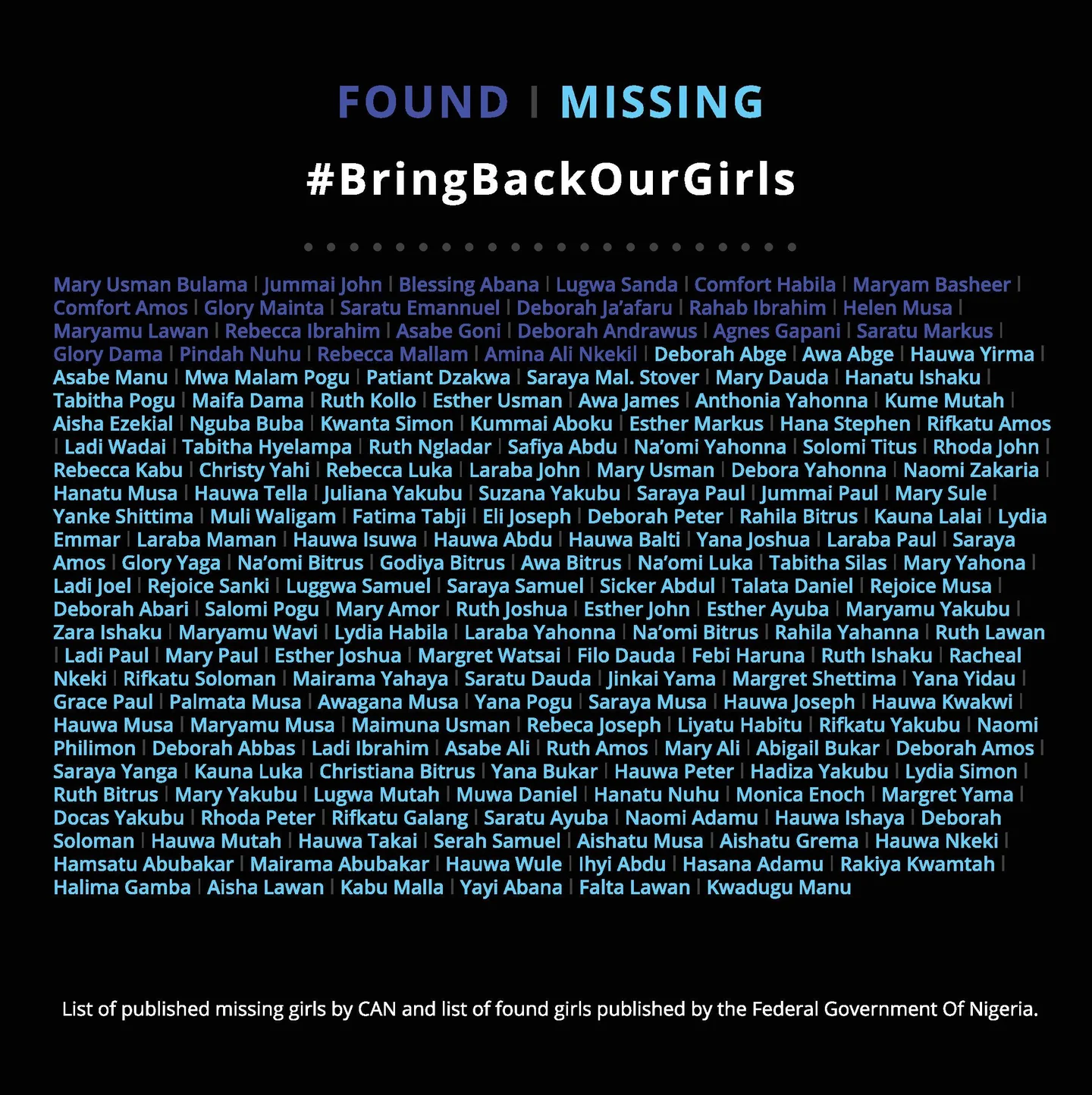
On the third anniversary of the Chibok abduction, we must continue the fight to #BringBackOurGirls

By Toyin Ojora Saraki, Contributor

Founder of the Wellbeing Foundation Africa

Bring Back Our Girls campaign image

In 2014, I joined eminent figures in Nigeria and globally in urging a concerted global effort to help free the hundreds of missing girls, kidnapped from a government secondary school in the town of Chibok.

In 2016, I called for a register of missing persons to be established nationally and regionally.

Today, as we mark 1,095 days, the third anniversary, I am encouraged that 23 girls have been reunited with their families, however our thoughts, prayers and efforts remain undimmed that we will find the remaining 195 girls, and through their rehabilitation, heal the physical, psychological and social wounds, inflicted on abductees, their families and communities, and in doing so, heal our nation’s humanity.

FROM March 28th, 2017

Closing the gender wage gap in Africa and beyond

By Toyin Ojora Saraki, Contributor

Founder of the Wellbeing Foundation Africa

Last week marked the end of the UN’s 61st Commission on the Status of Women Summit, an annual two-week session that brings together representatives of UN Member States and civil society organisations to promote gender equality and women’s empowerment around the world. This year, the International Labour Organisation joined forces with the UN to create a new initiative entitled the Equal Pay Platform of Champions. The initiative seeks to increase awareness on the pervasive global gender wage gap, and will be paired with a visible advocacy campaign highlighting the implications of inequality, as well as proactively reaching out to policy-makers and decision-takers for a solid commitment to the concrete advancement towards gender wage parity.

The issue of equal pay for work of equal value, and broader gender equality goals are close to my heart; as the founder-president of the Wellbeing Foundation Africa, Africa’s premier maternal health and gender rights organisation, I am as deeply concerned by the lagging global progress in the field as I am inspired by the positive action taken in initiatives such as this one.

Global gender equality affects every country in the world, and signifies an economic set back of $12 trillion in global growth, according to a McKinsey and Company study released in 2016. In New Zealand, where the gender wage gap is the smallest in the world, men still make on average 5.6% more than women. In the UK, this figure shoots to 17.5%, which is somewhat typical for the developed world. The Commission on the Status of Women brings together women from around the globe, to tackle this same pervasive issue that affects all women, regardless of race, age or nationality. The women’s marches in January against a Trump presidency that took place in countries of all continents showed solidarity of women in the plight for gender equality, manifesting the struggles of the female gender in peaceful protest.

As a Nigerian I am best positioned to reflect on the gender wage gap through an African lens. As in Europe, Asia and the Americas, Africa also incurs the huge cost of gender inequality – the UNDP estimates that gender inequality costs sub-Saharan African an average of $US95bn per year, a figure surpassing the annual GDPs of Uganda and Liberia combined. The economic loss of gender inequality therefore equates to approximately 6% of the region’s GDP in 2014. The significance of this cannot be downplayed – in countries of minimal financial resources, equality may seems ever more appealing to policy-makers and entrepreneurs alike.

Similar to in Europe, the average African woman makes around 70 cents for each dollar made by a man. On top of this, women are by far the main caregivers, and dedicate many extra hours to unpaid work. It is therefore no surprise that studies estimate that a 1% increase in gender inequality reduces a country’s development index by 0.75%. African woman enjoy just 87% of the human development outcomes of men, mostly due to lower levels of education, lower labour force participation, and startlingly high maternal mortality rates.

But it isn’t all doom and gloom – women in Africa make a sizeable contribution to the continent’s economy, for example making up 60% of all agricultural workers, which many economies are heavily reliant on. In fact, women in Africa are more economically active in farming and entrepreneurship than in any other region. Additionally, although women remain disadvantaged in comparison to their male counterparts across the continent, there have been vast improvements, spanning from equal rights legislation to increased female political participation. These success stories should not be undermined.

Nigeria has a fairly standard gender wage gap in comparison to other countries – women earn around 70% of what men do – a level similar to that of the UK or the USA. However, in addition to this wage gap, women in Nigeria are marred by other gender-specific challenges; for example, maternal mortality outcomes are some of the world’s worst, with the average Nigerian woman at a 1 in 22 risk of dying in childbirth during her lifetime. This serves to widen the gender gap hugely, and creates new depths to the gender divisions in my country.

And yet, the trend, both global and regional, is overwhelmingly positive. There has been an international drive towards women’s economic empowerment, particularly in Africa, with a number of new technologies and initiatives designed specifically to impact and improve the lives of women. For example, an emphasis on increasing women’s access to financial systems and credit has seen widespread success, and has proven the effectiveness of boosting women’s economic independence in improving the overall wellbeing of families and communities. In Nigeria, various schemes providing microfinance to women have proven fruitful, inspiring women entrepreneurs in Nigeria, as well as granting women the financial independence to better run a household. The groundwork has been laid; it is now time for these efforts to multiply and magnify.

The International Labour Organisation predicts that it will take 70 years to close the gender wage gap. We can accelerate this change – with the support of initiatives such as the Equal Pay Platform of Champions – by taking matters in to our own hands. It is our right – and our prerogative – as women, feminists, and advocates of global equality to strive for equality and a better life for the daughters, mothers, wives and sisters of the future.


FROM February 6th, 2017

The battle against FGM is yet to be won

By Toyin Ojora Saraki, Contributor

Founder of the Wellbeing Foundation Africa

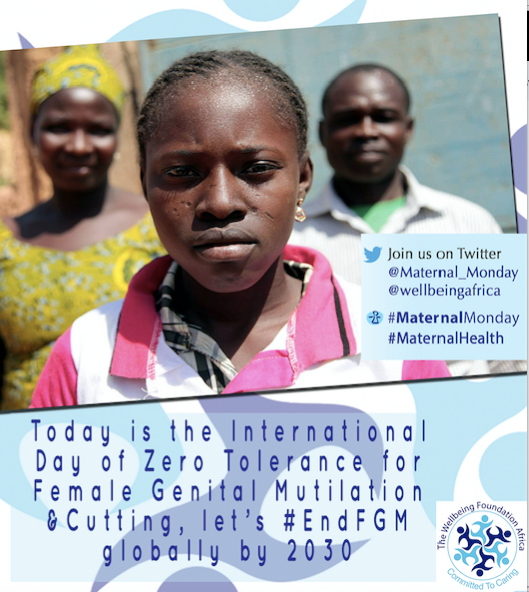
Today, in recognition of the UN’s International Day of Zero Tolerance for Female Genital Mutilation, we reflect upon female genital mutilation (FGM), defining this cultural practice, addressing its harmful implications, and seeking resolution on this dangerous, damaging and sadly all too prevalent issue.

FGM, also known as female genital cutting and female circumcision, is the ritual removal of some or all of the external female genitalia. The practice is common across much of Africa and the Middle East, and is practiced in some parts of Asia, and among diaspora populations in Western countries. Somalia is thought to have the highest prevalence of FGM in the world, with 98% of girls affected. In my homeland of Nigeria, it is believed around 20 million girls and women have undergone the procedure. Globally this figure rises to 200 million.

FGM as a cultural practice, is often perceived as a rite of passage into the maturity of womanhood, but evidently conceived to contain and control a young woman, or even a girl’s sexuality, to ensure virginity before marriage and fidelity after, by the brutal method of limiting a woman’s sexual pleasure. This is a blatant violation of a female’s rights, and the embodiment of female subordination, as FGM quite unusually, is visited upon the female gender, by the female gender, towards a misguided but sadly reinforced sense of community affirmation.

FGM awareness illustration

In addition to the enduring psychological effects of the practice, FGM presents severe medical risks to its victims. In the short-term, excruciating pain, excessive bleeding and shock are commonplace. Anesthetics are rarely used, and many women recall the procedure as an enduring trauma. Infection is also common, as FGM often takes place in un-sterile environments. This prolongs the suffering of the procedure, and can be fatal if left untreated.

The long-term complications are extensive; chronic infection, menstrual problems, painful urination, obstetric complications and peri-natal risks all arise as a direct result of FGM. It must be stopped.

As the founder and CEO of the Wellbeing Foundation Africa, a maternal health charity based in Nigeria, I have seen with my own eyes the harm caused by this archaic practice. Women who have undergone the procedure commonly experience complications during birth, and are at a greater risk of caesarian section, hemorrhage, obstetric lacerations and prolonged labour. In low and middle income economic regions with poor coverage of quality maternal healthcare such as Nigeria, the heightened risk that FGM imposes on expectant mothers presents an added danger to childbirth.

Last year I participated in a United National Population Fund conference in Nigeria that called for collective action to eliminate Female Genital Mutilation by 2030. FGM is a dangerous, harmful and unnecessary cultural practice, a physical assault that causes grievous bodily harm – it is therefore the responsibility of the international community, domestic governments and civil society to work together in fighting to protect girls of the future from such inhumane practice. The UN estimates that if current trends continue, 15 million more girls between 15 and 19 will be cut within the next 14 years. It is our job as international citizens to prevent this from happening.

FGM was criminalised in Nigeria in 2015, signifying a historic step towards outlawing the practice globally. However, FGM remains legal in Mali, Sudan, Sierra Leone and Liberia, among others, and continues to be practiced in other countries despite it being outlawed.

At the Wellbeing Foundation Africa, we train midwives on the safe delivery of babies and best perinatal care practices. It is my belief that it is through midwives and maternal care that FGM can be overturned in Nigeria. Midwives are best placed to detect FGM, and to urge mothers not to subject their daughters to this harmful practice. The right legislation is in place. Now what is needed is a mentality of change and a greater understanding of the risks to eliminate the practice completely.

Huge progress has been made internationally to overcome FGM, with a succession of governments criminalising the practice in recent years. This is an achievement that should be lauded. However, there is still much to do. Sexist attitudes and a misunderstanding of the facts surrounding the health risks associated with the practice must be challenged. Through a combined effort from governments, international organisations and individual people, the girls of the future can and will be protected.

FROM February 2nd, 2017

Delivering Real Impact in Health and Education

By Toyin Ojora Saraki, Contributor

Founder of the Wellbeing Foundation Africa

This week saw the 28th African Union Summit take place in Addis Ababa, Ethiopia. Along with the diplomatic challenges facing the continent, the delegates also discussed the fate of health and education in Africa, not least how to boost service provision at the primary care level. Over twenty-five years since the landmark 1978 Alma Ata Declaration asserted the critical importance of primary healthcare, many countries still lag well behind the standards needed to give every citizen even basic health protection.

Nigeria is a case in point. The country is in the midst of a national health crisis; one-third of children under the age of five are stunted due to poor nutrition; and more than 41,000 children become newly infected by HIV every year. Yet the solution – unlike with so many development challenges – is within our grasp. Technology, has increased access to vulnerable communities and, crucially, new pioneering funding mechanisms mean that key areas of primary healthcare, from midwifery to general practice, could be rapidly improved. The Nigerian National Health Act Basic Healthcare Provision Fund was developed in 2014 and was designed to improve Nigeria’s poor primary healthcare. But three years on, the Act remains only partially implemented. Primary healthcare, the cornerstone of a healthy population, has been left by the wayside. It must be prioritised. Take Reproductive, Maternal, Newborn, Child and Adolescent health and nutrition, a key facet of primary care. Nigeria’s new healthcare narrative includes the revival of the Midwives Service Scheme previously established in 2011, the creation of a national health management information system and a strengthened focus on maternal and newborn health. The aim is to provide an easily accessible route to care, producing quick and visible impact that will altogether affect the lives of every Nigerian, especially the most vulnerable. This would be a revolutionary set of initiatives but they are yet to be funded, and yet to be delivered. Overall, gains in PHC and efforts to implement long-overdue universal health coverage in Nigeria have been thwarted by chronic underfunding. The Abuja Declaration of 2001 saw members of the African Union pledge to spend at least 15% of the national budget on healthcare. Yet, Nigeria currently allocates a mere third of that pledged amount to public health services. As Chair of the Nigeria’s Primary Healthcare Revitalisation Support Group, I believe that primary healthcare investment, both from the private and public sector, is key to ensuring universal healthcare for all Nigerians. From a social investment perspective it is also a huge opportunity to see a social return on money invested. The nature of primary healthcare – the ability to monitor and manage delivery of, for example, the Wellbeing Foundation Africa’s Mamacare antenatal and postnatal health access through birth preparedness classes, or by the USAID-funded MPowering Healthworkers Program which engaged mobile-technologies in training midwives in Ondo State of Nigeria- means that money invested in, can be quantified by results gained. For innovative social impact investors, there is an opportunity here for collaboration between both the central and state level governments in Nigeria to fund real change. In Mali, Nigeria’s West African neighbour, the Novartis Foundation implemented an initiative aimed at improving access to PHC, specifically for children and women in one region. The project targeted 200,000 inhabitants from rural areas and was funded by both regional and district partners. The results were remarkable: between 2008 and 2010 the community health associations increased their average score by 10%, improving particularly in the areas of internal governance and support to healthcare personnel. During the same period the utilisation rates for prenatal consultations increased more than 30%. In Nigeria, the Primary Healthcare (PHC) Revitalisation Support Group Program is working with the Nigerian state and development partners to take the kind of innovative financing mentioned above and use it to drive and deliver the kind of interventions the Government has already pledged to achieve. The government must also increase efforts to harmonise and streamline additional sources of funding to PHC, and reduce the barriers to access that restrict healthcare services to so many. In opening up PHC to the private sector, social impact investors have the opportunity to co-fund tangible and visible improvements to healthcare. At the multi-state level my foundation, the Wellbeing Foundation Africa, has already seen the impact that public-private partnerships can bring to maternal health provision. The breadth of public-private partnerships should not stop at healthcare: partnerships of this nature should also be applied to areas such as primary education. The Rajasthan Education Initiatives, for example, engages global and local private actors in supporting Rajasthan’s State Government in India, impacting over 6,000 schools through various interventions, and training 22,000 teachers in ICT training. Such an initiative could be replicated in Nigeria and beyond; indeed, Nigeria has taken nascent steps through it’s recently piloted nPower program to drive nationwide graduate internships in the areas of agriculture, education and health.

It is only by strengthening capacity and concrete frameworks at primary levels of care and education services that we can build the resilience to cope beyond endurance in times of crisis, and improve the wellbeing of citizens in the long-term. The good news is we have the means to achieve this. We now have to take it.

This article first appeared in Thomson Reuters Foundation news.