Categories
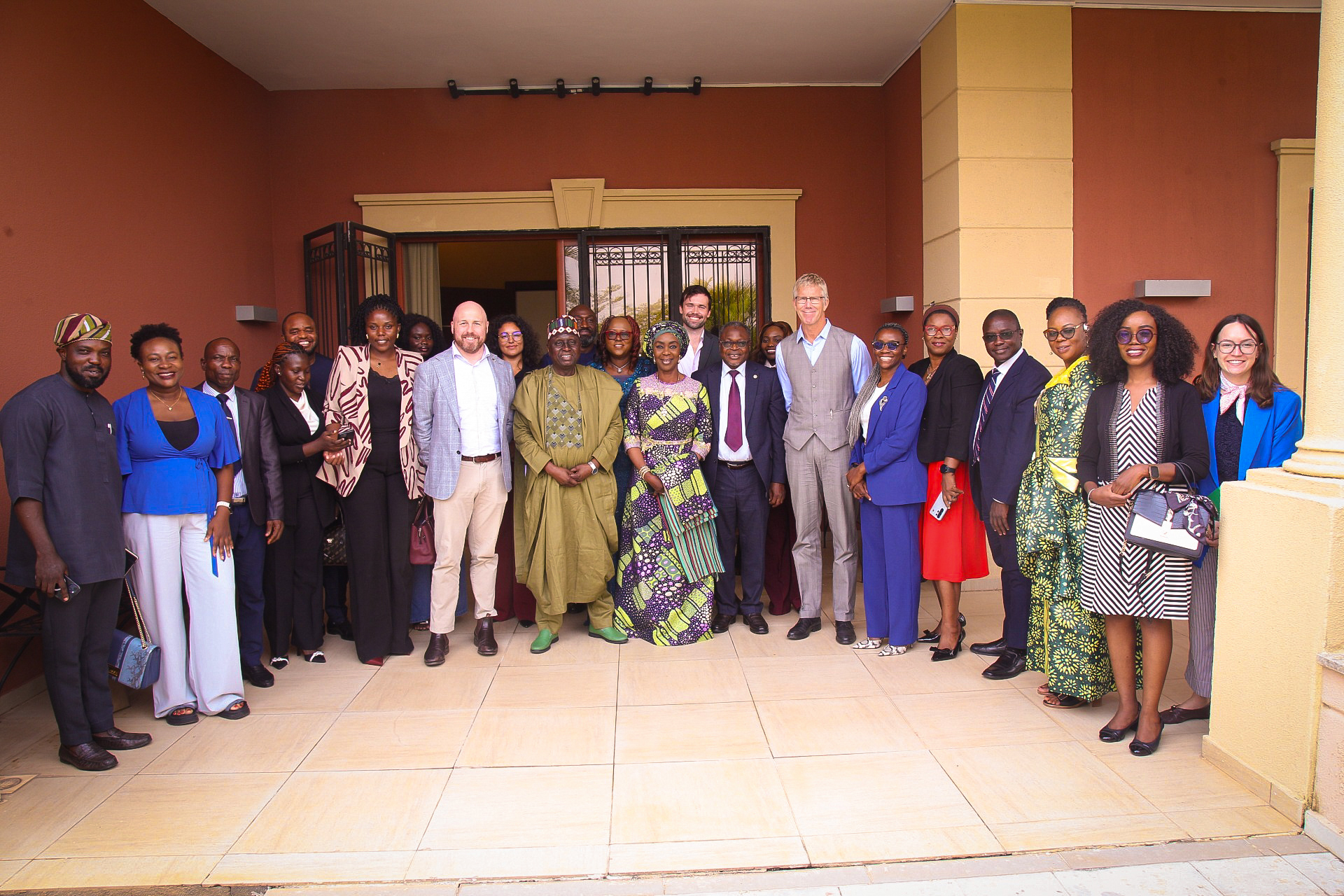
As my Global Office and the Wellbeing Foundation Africa delegation continued its engagements at the 81st session of the United Nations General Assembly, my office joined the Annual Summit of the Global Alliance for Women’s Health, convened by the World Economic Forum alongside the Forum’s Sustainable Development Impact Meetings, where I am glad to serve within the Champions Community as a WEF Champion of the Global Alliance for Women’s Health.
The session on the State of Women’s Health brought together Dr Muyi Aina of Nigeria’s National Primary Health Care Development Agency, Claire Thwaites of Reckitt, Ishaan Tewarie of EQT Life Sciences and Sanjana Bhardwaj of the Gates Foundation.
Women spend a quarter more of their lives in poor health than men, and the Alliance was founded on the finding that closing that gap could add at least one trillion dollars to the global economy each year by 2040, the equivalent of 137 million women in full-time employment. Having joined this Alliance at its inception, it is a satisfaction to see the evidence maturing into investment, policy and care delivery.
Of particular significance for Nigeria was the Private-Sector Compact announced in support of the Maternal Mortality Reduction Innovation Initiative, aligning private and philanthropic capability behind workforce, supply chain, emergency transportation and financial protection in the local government areas where maternal mortality is highest, with government able to mobilise and track what each partner brings. Through MamaCare360 and the midwives and nurses of my Wellbeing Foundation Africa, we have long held that coordination of this kind is what turns a commitment into care a woman actually receives.
I invite investors, industry and governments to carry this next phase into delivery, financing women’s health across the life course as the growth strategy the evidence has shown it to be.
View this post on Instagram
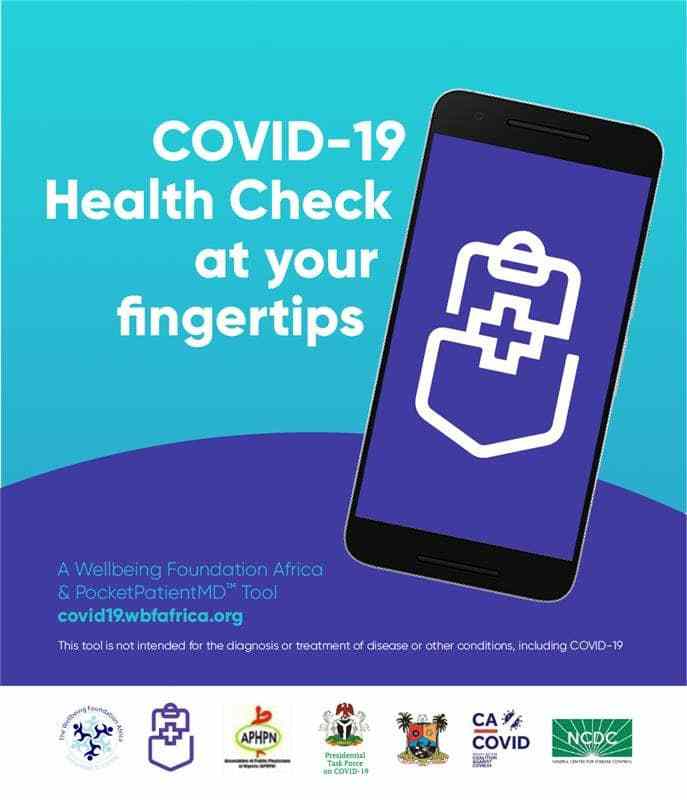
The e-health check tool is available for free at https://covid19.wbfafrica.org/ and users can access real-time updates on how to stay connected, safe, and healthy during the pandemic on Instagram and Twitter @Wellbeing_PPMD, and @WellbeingPPMD on Facebook.