Categories

ABUJA, 10 October 2026 – On World Mental Health Day, LifeLine International and its Global Honorary Patron, Her Excellency Mrs Toyin Ojora Saraki, welcome the outcomes of a High-Level Roundtable on Suicide Decriminalisation and Crisis Support in Nigeria, jointly convened with the Royal Norwegian Embassy and the Australian High Commission in Abuja on 7 October 2026.
Hosted at the residence of His Excellency Mr Svein Bæra, Ambassador of the Kingdom of Norway, and opened by His Excellency Mr David Port, Acting High Commissioner of Australia, the closed roundtable brought together representatives of diplomatic missions, the United Nations, former and serving legislators, the Association of Psychiatrists in Nigeria, legal and justice-sector organisations, and LifeLine International’s Nigerian Members, the Asido Foundation and the Suicide Research and Prevention Initiative.
The convening follows the decision of the Federal Executive Council, under the leadership of His Excellency President Bola Ahmed Tinubu, GCFR, on 19 August 2026 to approve a proposed amendment to the National Mental Health Act to decriminalise attempted suicide, which is to be transmitted to the National Assembly as an executive bill. Participants commended the Coordinating Minister of Health and Social Welfare, Professor Muhammad Ali Pate, the Honourable Attorney-General of the Federation and Minister of Justice, and the National Task Force on the Decriminalisation of Attempted Suicide, established on World Mental Health Day two years ago.
Professor Taiwo Lateef Sheikh, LifeLine International Africa Lead, presented global evidence from countries that have reformed their laws, including Ghana and Malaysia, both of which decriminalised attempted suicide in 2023. That experience shows that when the law stops punishing people at their most vulnerable, help-seeking increases, stigma reduces and lives are saved.
Discussions focused on implementation readiness as the amendment proceeds to the National Assembly, including guidance for police and prosecutors during the transition, the recording of suicide attempts as health events to strengthen national data, and the expansion of toll-free crisis helpline access across the Federation.
In Nigeria, attempted suicide remains punishable under Section 327 of the Criminal Code and Section 231 of the Penal Code. The Federal Government estimates that more than 7,000 Nigerians die by suicide each year, with around 300,000 attempts.
Her Excellency Mrs Toyin Ojora Saraki, Global Honorary Patron of LifeLine International, said:
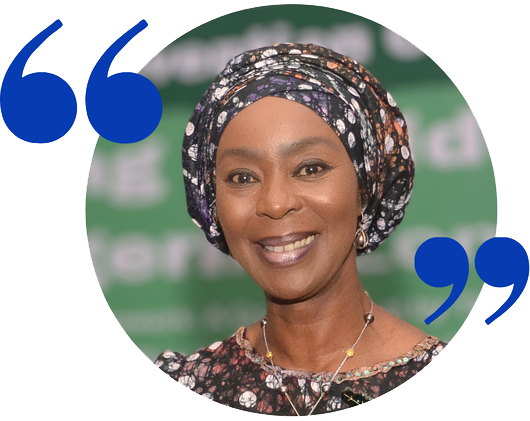
“Reform of the law opens the door, and what lies beyond that door must be ready to receive people. That means a crisis line that answers at any hour and in the languages Nigerians speak, health workers trained to recognise distress, and police and prosecutors who understand that attempted suicide is a health matter. I am deeply grateful to Australia and Norway for standing alongside Nigeria, and to every advocate, clinician and survivor whose voice has brought us to this moment. This year’s World Mental Health Day theme reminds us that lived experiences must be heard, and Nigeria now has the opportunity to show the continent and the world that a nation can meet distress with dignity.”
His Excellency Mr David Port, Acting High Commissioner of Australia, said:
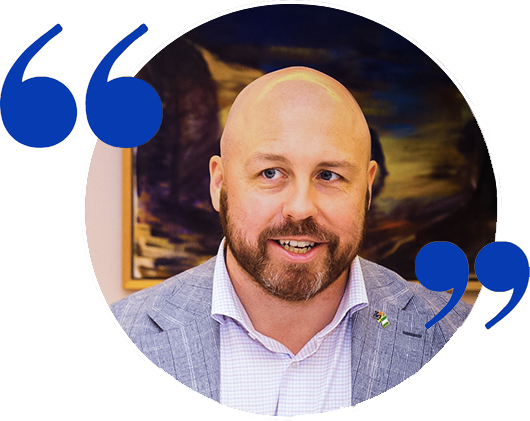
” The proposed decriminalisation of attempted suicide reflects an important principle: when someone is in profound distress, they should be met with care and support, not punishment. Australia welcomes Nigeria’s efforts to advance this reform and recognises the leadership shown by government, legislators, mental health professionals and civil society advocates. Decriminalisation is a vital step, but it must be accompanied by accessible services, community support and crisis intervention so that people feel able to seek help when they need it most.”
His Excellency Mr Svein Bæra, Ambassador of the Kingdom of Norway, said:
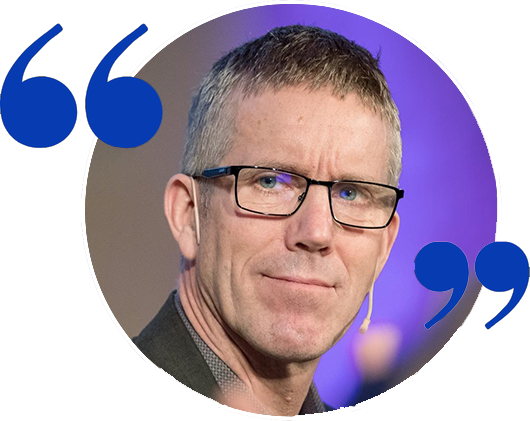
“Norway strongly supports efforts that place human dignity, public health and evidence-based policy at the centre of decision-making. Mental health is an integral part of health coverage and an essential component of human wellbeing. Norway is encouraged by the shared commitment towards reform. Decriminalisation should be accompanied by accessible crisis support, effective referral systems, and efforts to reduce stigma. We believe that each of us has a role to play in helping turn legislative reform into meaningful change for the people and communities of Nigeria.”
Thilini Perera, Chief Executive Officer of LifeLine International, said:
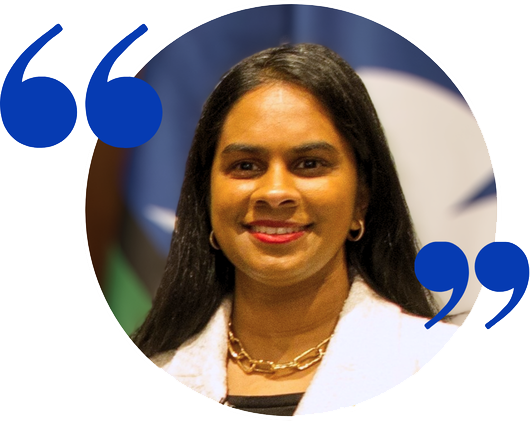
“Nigeria is a key partner in our global commitment to strengthening compassionate responses to suicide, and this roundtable reflects the collective effort supporting ongoing reform. We appreciate the collaboration of the Australian High Commission, the Royal Norwegian Embassy, and our Global Honorary Patron, Her Excellency Toyin Saraki, in convening this discussion. We commend our LifeLine International Members in Nigeria, whose leadership continues to advance this work. Lifeline International remains committed to standing alongside Nigerian stakeholders as they pursue approaches that promote dignity, safety, and crisis support for all communities.”
If you or someone you know is struggling, please reach out. In Nigeria, confidential support is available through the Suicide Research and Prevention Initiative (SURPIN) (call 0800 800 2000), the Asido Foundation (Call +2349028080416) and the Mentally Aware Nigeria Initiative (MANI) on 0809 111 6264.
Media Contact
H.E. Toyin Saraki Global Policy & Philanthropy Office
Zelia Bukhari
zelia.bukhari@wbfafrica.org
Categories
Recent Posts
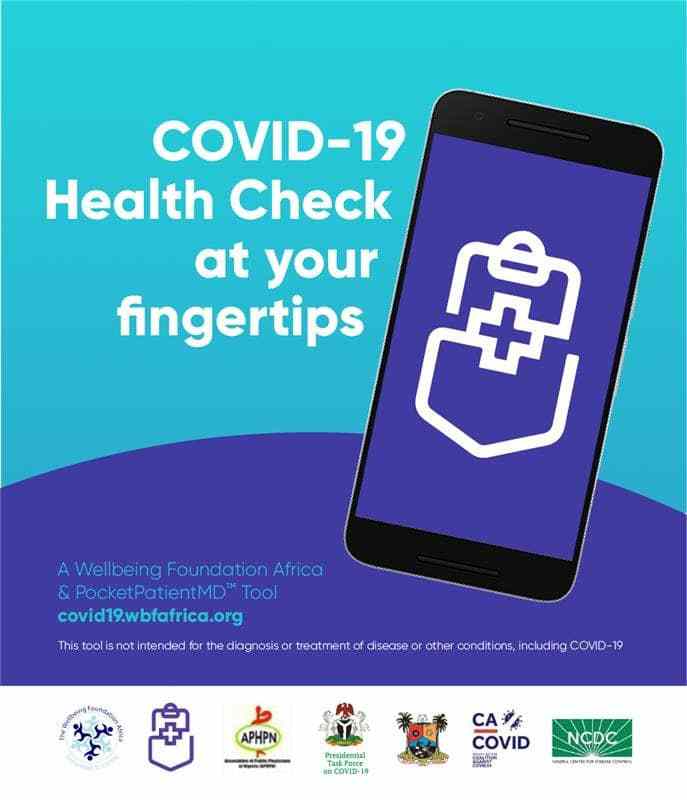
The e-health check tool is available for free at https://covid19.wbfafrica.org/ and users can access real-time updates on how to stay connected, safe, and healthy during the pandemic on Instagram and Twitter @Wellbeing_PPMD, and @WellbeingPPMD on Facebook.